Understanding Modern Work Dynamics and Remote Collaboration
In this article

Understanding Modern Work Dynamics and Remote Collaboration
The landscape of professional environments has shifted significantly towards decentralized models. As of 2026, the concept of WFH has evolved from a temporary necessity into a standard operational framework for global organizations. This transition requires a fundamental change in how teams interact, as the physical cues of an office—such as seeing a colleague at their desk or noticing a quick huddle—are absent in traditional digital setups. Implementing a successful WFH strategy involves more than just providing hardware; it requires tools that bridge the gap between physical distance and social presence.
Effective WFH management focuses on maintaining team cohesion without the burden of constant surveillance. When employees operate in a WFH capacity, the primary challenge is the "silence" of digital communication, where one cannot easily discern if a teammate is deep in thought, busy with a task, or available for a quick question. This lack of visibility often leads to over-scheduling, where simple two-minute conversations are transformed into formal thirty-minute calendar invites, reducing overall productivity and increasing meeting fatigue.
Real-Time Presence and Virtual Office Environments
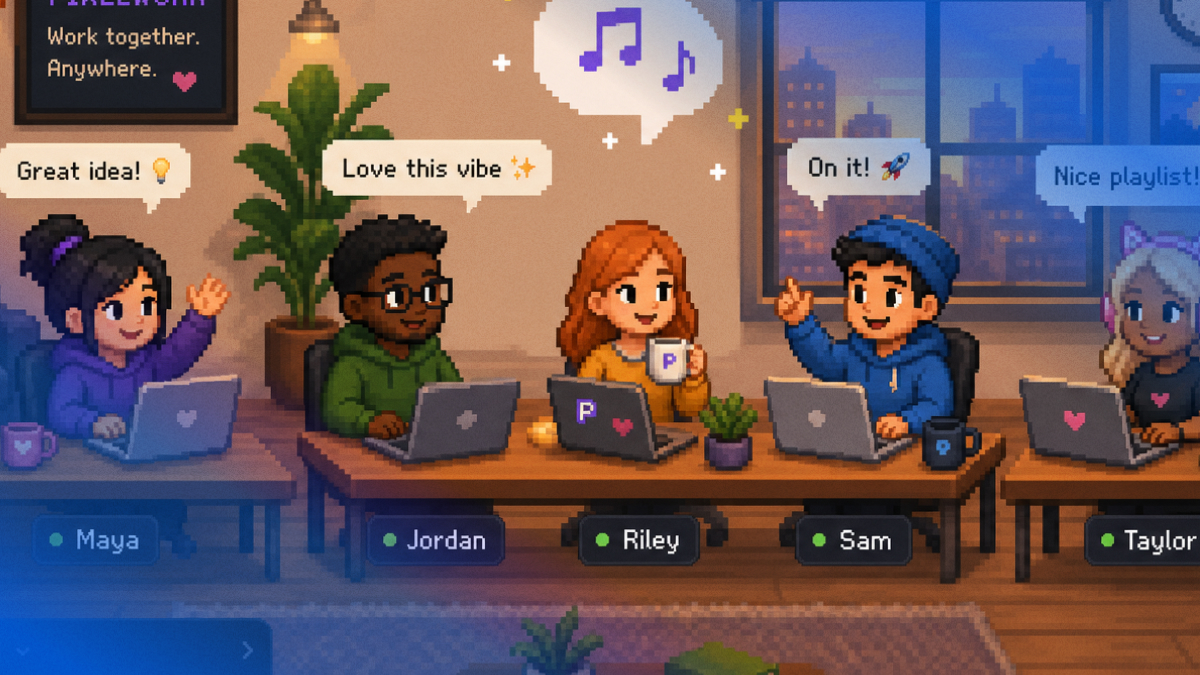
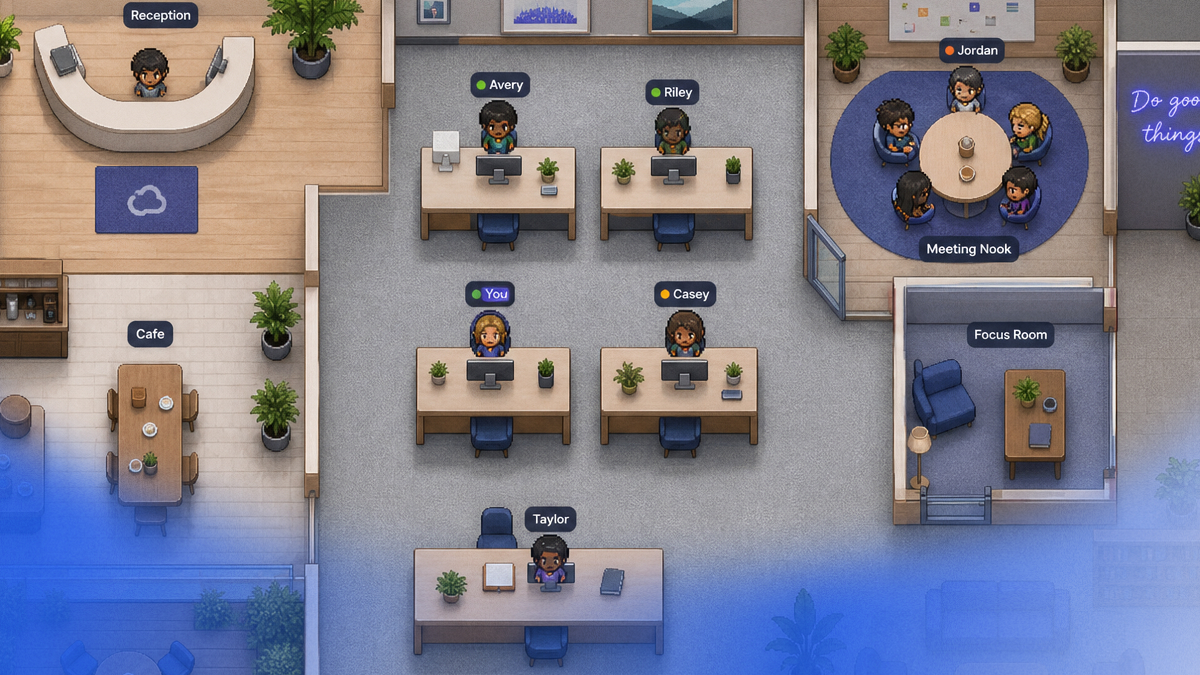
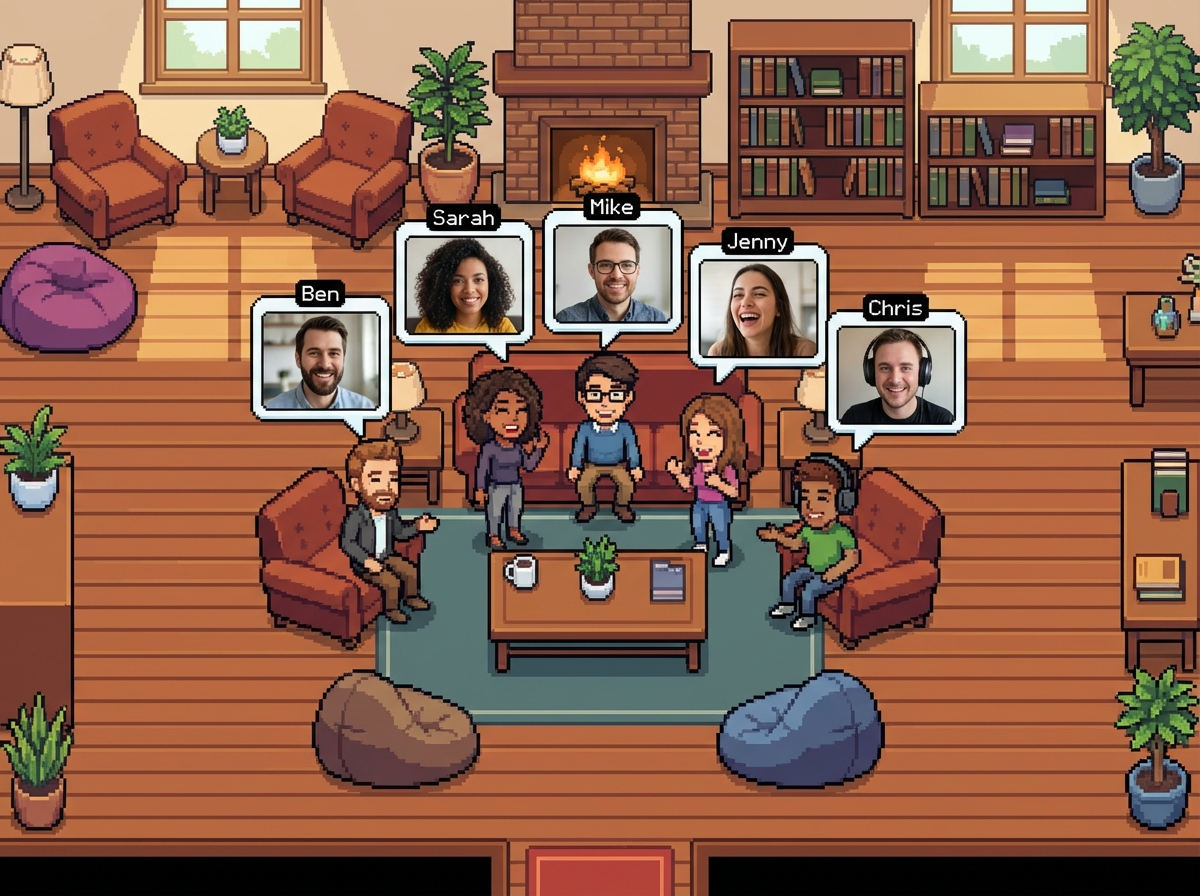
To address the isolation inherent in remote setups, virtual office platforms like Hurbly.ai provide a visual layer of transparency. These systems allow teams to see who is currently active, who is in a "do not disturb" mode, and who is participating in a meeting. By simulating a shared space, a WFH professional can regain the spontaneous interaction typical of a physical headquarters. This technology uses real-time indicators to signal availability, allowing for a more natural flow of information across distributed networks.
The core functionality of these platforms revolves around reducing the friction of starting a conversation. In a standard WFH environment, reaching out to a colleague often feels like an interruption. However, when presence is visualized, a user can wait for a gap in their coworker's schedule to initiate a brief chat. This mimics the "watercooler" effect, where informal knowledge sharing occurs naturally. For those in a WFH role, this visibility helps maintain a sense of belonging and ensures that project blockers are identified and resolved quickly through instant, unscheduled interactions.
Benefits of Visualizing Team Availability
| Feature | Impact on WFH Teams | Operational Benefit |
|---|---|---|
| Real-Time Status | Eliminates guesswork regarding availability. | Reduces unnecessary pings and interruptions. |
| Focus Mode | Signals when a team member is doing deep work. | Protects productivity and mental flow. |
| Instant Audio/Video | Enables quick huddles without links. | Speeds up decision-making processes. |
| Spatial Awareness | Provides a visual map of the "office." | Enhances the feeling of team unity. |
Adopting these features allows a WFH workforce to operate with higher autonomy. Instead of waiting for a weekly sync, team members can collaborate as soon as a need arises. This is particularly relevant for creative and technical roles where immediate feedback is often required to move a project forward. By utilizing Hurbly.ai, companies can ensure that their WFH staff remains synchronized without the need for micromanagement or intrusive tracking software.
Strategies for Optimizing Remote Team Communication
Transitioning to a high-performance WFH model requires a structured approach to communication. It is not enough to simply install software; teams must establish norms that prioritize clarity and respect for focus time. A well-structured WFH policy often includes the following steps:
- Define Status Meanings: Clearly outline what different presence indicators mean (e.g., "In a Meeting" means no interruptions, while "Available" means open for quick questions).
- Encourage Spontaneity: Shift the culture away from formal invites for minor queries to encourage faster resolution of tasks.
- Respect Focus Blocks: Use tools to signal periods of deep work where the WFH employee should not be disturbed unless there is an emergency.
- Centralize Interaction: Use a single platform for presence and quick calls to avoid fragmented communication across multiple apps.
By following these steps, a WFH team can reduce the cognitive load associated with managing multiple communication channels. The goal is to create an environment where the digital workspace feels as intuitive and responsive as a physical one.
The Role of Technology in Sustaining Long-Term Remote Work
As we look at the trends in 2026, the sustainability of a WFH setup depends on the quality of the digital experience. High-quality virtual office solutions like Hurbly.ai are designed to prevent the burnout associated with "digital exhaustion." When a WFH employee feels connected to their peers through a persistent, low-friction interface, the psychological barriers of remote work begin to disappear.
Furthermore, these platforms provide valuable insights into team dynamics without compromising individual privacy. Managers can see if a WFH team is overwhelmed by meetings or if certain members are becoming isolated. This data allows for proactive adjustments to workloads and meeting structures. Ultimately, the integration of real-time presence technology ensures that the WFH model remains a viable, productive, and human-centric way of working for the modern global economy.