Essential Guide to Remote Employment and Virtual Collaboration in 2026
In this article

Essential Guide to Remote Employment and Virtual Collaboration in 2026
The professional landscape in 2026 has shifted significantly toward decentralized operations, making work from home jobs more accessible and technically supported than ever before. Understanding how to navigate this environment requires a clear grasp of digital presence and real-time communication tools. Modern remote roles demand more than just task completion; they require active participation in a digital ecosystem where visibility and availability are communicated through specialized platforms.
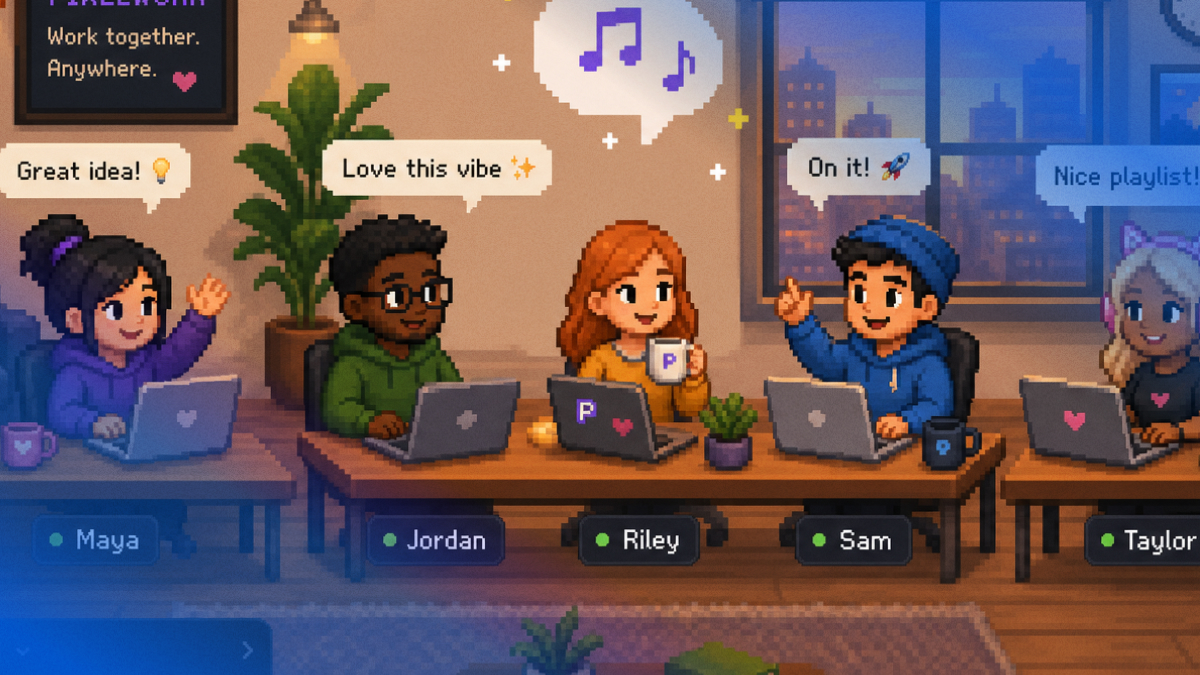
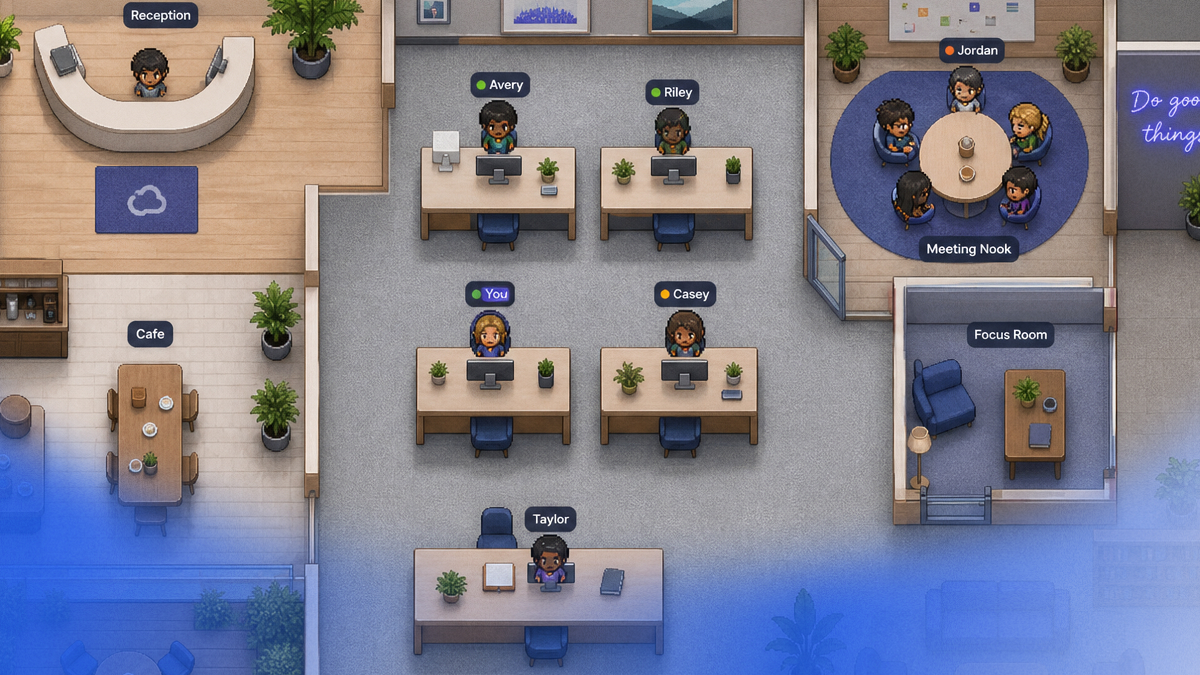
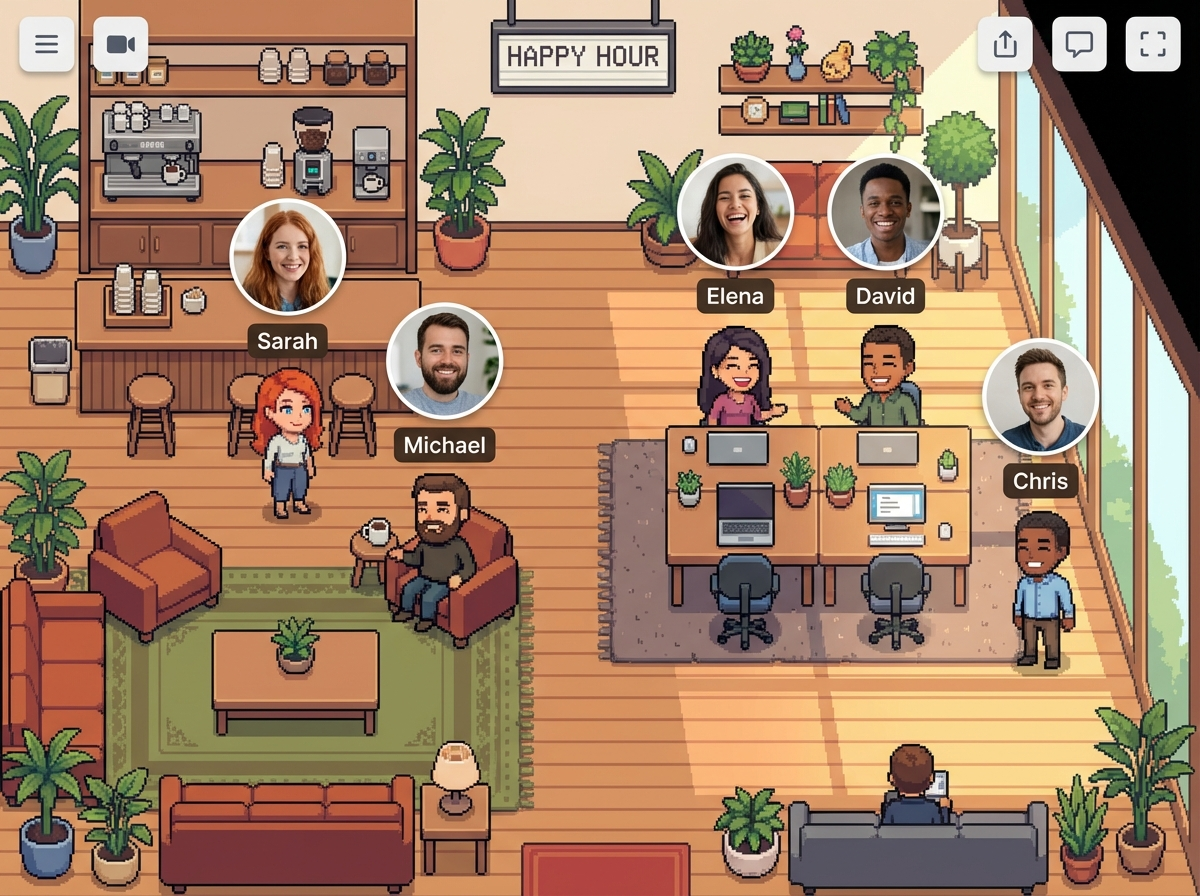
To succeed in work from home jobs, professionals must utilize systems that bridge the gap between physical distance and team cohesion. Tools like Hurbly.ai serve as virtual offices, providing real-time indicators of who is currently focused, available for a quick chat, or engaged in a meeting. This level of transparency ensures that remote workers can interact spontaneously, mimicking the natural flow of a traditional office without the need for constant, formal meeting invites.
How Virtual Presence Platforms Enhance Remote Productivity
A major challenge in many work from home jobs is the feeling of isolation or the friction caused by 'calendar Tetris'—the constant struggle to find open slots for simple questions. Virtual office platforms solve this by displaying live status updates. When a team member is 'in the zone,' their status reflects this, preventing unnecessary interruptions. Conversely, seeing a colleague is 'available' allows for instant, informal conversations that keep projects moving forward.
These platforms function by integrating with a user's digital workflow to broadcast their availability. For those in work from home jobs, this means:
- Real-time Visibility: Knowing exactly who is at their desk without sending 'Are you there?' messages.
- Reduced Meeting Fatigue: Replacing 30-minute scheduled calls with 2-minute spontaneous syncs.
- Improved Team Culture: Creating a shared digital space where the presence of others is felt, reducing the social distance inherent in remote work.
Key Requirements for Modern Work from Home Jobs
Securing and maintaining work from home jobs in today's market requires a specific set of digital competencies. Beyond the core skills of a specific role, employees must be adept at using presence-based technology to remain integrated with their departments. High-speed internet and a dedicated workspace remain fundamental, but the ability to manage one's digital persona is now equally critical for career progression and effective collaboration.
| Requirement | Description | Impact on Remote Work |
|---|---|---|
| Digital Presence | Using tools like Hurbly.ai to show availability. | Increases trust and transparency within distributed teams. |
| Asynchronous Skills | Ability to communicate clearly through text and recorded media. | Ensures progress continues across different time zones. |
| Self-Management | High level of discipline in managing tasks and focus time. | Essential for maintaining performance in work from home jobs. |
| Tool Proficiency | Mastery of collaborative software and virtual office environments. | Reduces technical friction and improves daily efficiency. |
Strategic Communication in Distributed Environments
Effective communication in work from home jobs is no longer just about the tools used, but the frequency and quality of interactions. In a physical office, a quick nod or a brief hallway conversation provides context that is often lost in a remote setting. Virtual office solutions restore this context by allowing users to see the 'pulse' of the team. This visibility is vital for managers who need to support their staff without resorting to intrusive micromanagement.
When individuals in work from home jobs use presence indicators, they contribute to a healthier work-life balance. By clearly marking when they are 'off-duty' or 'busy,' they set boundaries that are respected by the rest of the team. This clarity prevents the 'always-on' burnout often associated with remote employment. Hurbly.ai facilitates this by making these status changes automatic or easily toggled, ensuring everyone knows when it is appropriate to reach out.
The Evolution of Team Coordination and Future Trends
As we look further into 2026, the trend for work from home jobs is moving toward 'frictionless engagement.' The goal is to make starting a conversation with a remote colleague as easy as turning a chair in a physical room. This evolution is driven by the need for speed in decision-making and the desire for more human connection in a digital-first world. Companies are moving away from heavy, text-only chat apps toward more visual and presence-oriented workspaces.
For those seeking work from home jobs, it is important to look for employers who invest in these types of collaborative technologies. A company that prioritizes real-time visibility and spontaneous interaction is likely to have a more mature and supportive remote culture. These organizations understand that work from home jobs are most successful when the technology supports the human element of work, rather than just the transactional elements of task management.
Maximizing Efficiency While Working Remotely
To maximize efficiency in work from home jobs, professionals should adopt a 'presence-first' mindset. This involves being intentional about how one appears to the team throughout the day. By using a virtual office, you can signal when you are open for collaboration on complex problems or when you need silence to complete deep-work tasks. This transparency is the cornerstone of high-performing remote teams.
- Set Clear Statuses: Use your virtual office tool to reflect your actual cognitive load.
- Encourage Spontaneity: Reach out for quick 'face-to-face' video chats instead of long email threads.
- Monitor Team Pulse: Stay aware of your colleagues' availability to find the best times for collaborative input.
- Balance Focus and Access: Use focus modes to protect your time while remaining visible to the team.
The rise of work from home jobs has transformed the global economy, providing flexibility for workers and access to a broader talent pool for employers. By leveraging platforms like Hurbly.ai, the modern professional can navigate these work from home jobs with the same level of connectivity and social integration found in any physical headquarters. As the technology continues to mature, the distinction between 'remote' and 'office' will continue to blur, focusing instead on the quality of the work and the strength of the professional relationships maintained. Finding success in work from home jobs ultimately depends on adopting the right tools and habits to stay visible, engaged, and productive in a digital environment.