Effective Team Presence and Real-Time Collaboration in Virtual Offices
In this article

Effective Team Presence and Real-Time Collaboration in Virtual Offices
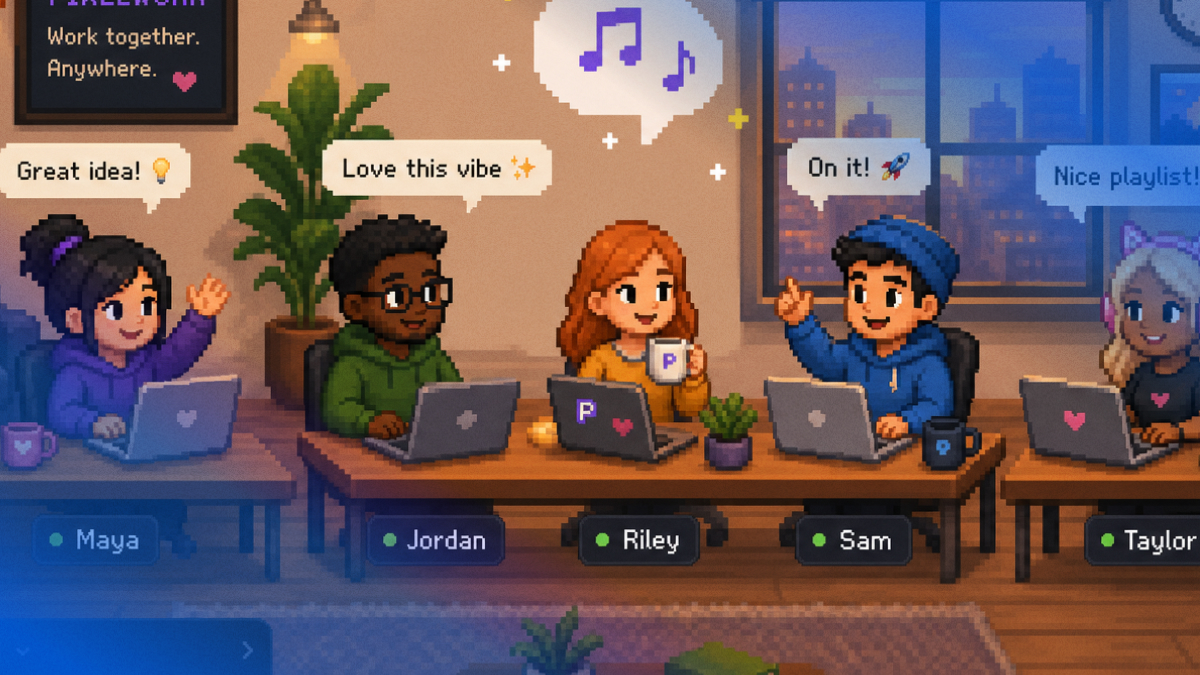
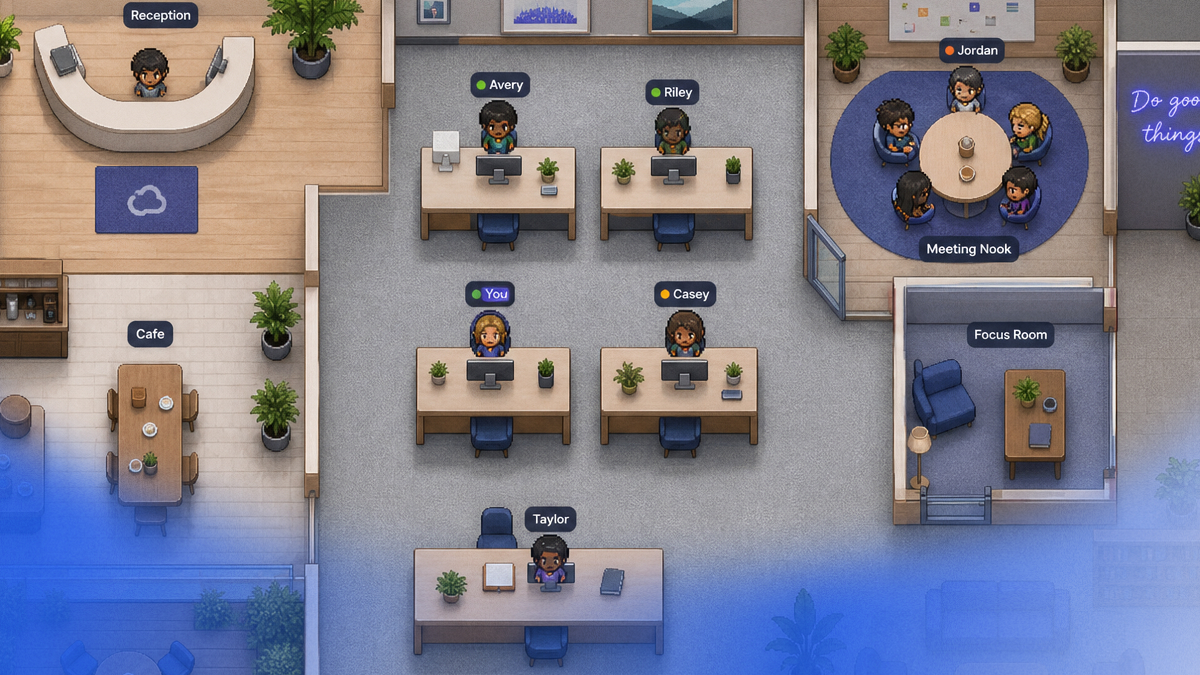
In 2026, remote and distributed teams require more than just messaging apps to stay connected. A virtual office serves as a digital layer that replicates the physical workspace, allowing team members to see who is available for a quick chat or who is deeply focused on a specific task. By using Hurbly.ai, organizations can maintain high levels of transparency without the friction of scheduling constant video calls. This setup ensures that every Work in Progress remains visible to the right people at the right time.
The primary goal of a virtual office is to reduce the isolation often felt in remote work. When a team member starts a new Work in Progress, their status is updated in real-time. This allows colleagues to understand the current workload of the group, facilitating a more natural flow of information. Instead of sending an email to ask if someone is busy, users can simply look at a visual dashboard to see the live status of their peers.
How Real-Time Presence Indicators Function
Real-time presence technology works by tracking user activity and manual status updates to provide a live map of the team. For example, if a developer is debugging code, their status might show they are in "Deep Work" mode. This prevents unnecessary interruptions while they handle a critical Work in Progress. The system uses secure data streams to update these statuses instantly across all connected devices.
These indicators are essential for managing a collective Work in Progress across different time zones. When a manager sees that a team member is "Available," they can initiate a brief audio call to clarify project requirements. This spontaneous interaction mimics the "tap on the shoulder" found in physical offices. It ensures that any Work in Progress does not stall due to communication delays or the lack of immediate feedback.
Benefits of Spontaneous Interaction in Digital Workspaces
Spontaneous interaction is a key driver of creativity and problem-solving. In a traditional remote setup, every conversation must be planned, which often discourages small but important questions. By utilizing Hurbly.ai, teams can engage in "watercooler" moments that lead to breakthroughs. When two people realize they are both looking at the same Work in Progress, they can jump into a quick sync to align their efforts.
This fluidity helps in maintaining the momentum of a Work in Progress. Rather than waiting hours for a reply to a chat message, team members can resolve issues in minutes. This approach supports a healthier work environment by reducing the "meeting fatigue" caused by over-scheduling. It allows for a more flexible day where communication happens as needed rather than as scheduled.
Comparing Communication Methods in 2026
The following table illustrates the differences between traditional communication tools and a virtual office environment for managing a team's Work in Progress.
| Feature | Traditional Messaging/Video | Virtual Office (Hurbly.ai) |
|---|---|---|
| Visibility | Hidden until a message is sent | Constant real-time presence |
| Interaction | Scheduled and formal | Spontaneous and informal |
| Context | Requires manual explanation | Visual cues show current focus |
| Workflow | Often interrupts a Work in Progress | Respects "Deep Work" states |
| Speed | Dependent on notification checks | Instantaneous awareness |
By choosing a virtual office, teams can better categorize each Work in Progress based on urgency and the availability of experts. This structured yet flexible environment is particularly useful for freelancers and distributed agencies that need to demonstrate active participation and progress to their stakeholders.
Steps to Implement a Virtual Office Environment
- Define team availability hours to respect personal boundaries while maintaining a clear Work in Progress.
- Integrate Hurbly.ai into the daily workflow to provide a central hub for presence.
- Establish "Focus Zones" where team members can signal they should not be disturbed during a complex Work in Progress.
- Encourage the use of quick audio huddles instead of thirty-minute video meetings for simple updates.
- Review team presence data to identify bottlenecks in a collaborative Work in Progress.
Following these steps allows a company to transition from a fragmented communication style to a unified digital presence. This transition is vital for maintaining the quality of an initial Work in Progress as it moves through various stages of development and review.
Improving Transparency for Distributed Teams
Transparency is the foundation of trust in remote settings. When everyone can see the status of an evolving Work in Progress, there is less need for micromanagement. Leaders can observe the team's activity levels and offer support where it is most needed without intruding. This visibility ensures that no individual feels isolated while managing a detailed Work in Progress.
Furthermore, a virtual office provides a sense of belonging. Seeing avatars or status icons move and change throughout the day reminds employees that they are part of a living organization. This psychological connection is just as important as the technical ability to track a future Work in Progress. By prioritizing presence, Hurbly.ai helps teams build a sustainable and productive remote culture.