Optimizing Productivity with Integrated Work Timers in 2026
In this article

Optimizing Productivity with Integrated Work Timers in 2026
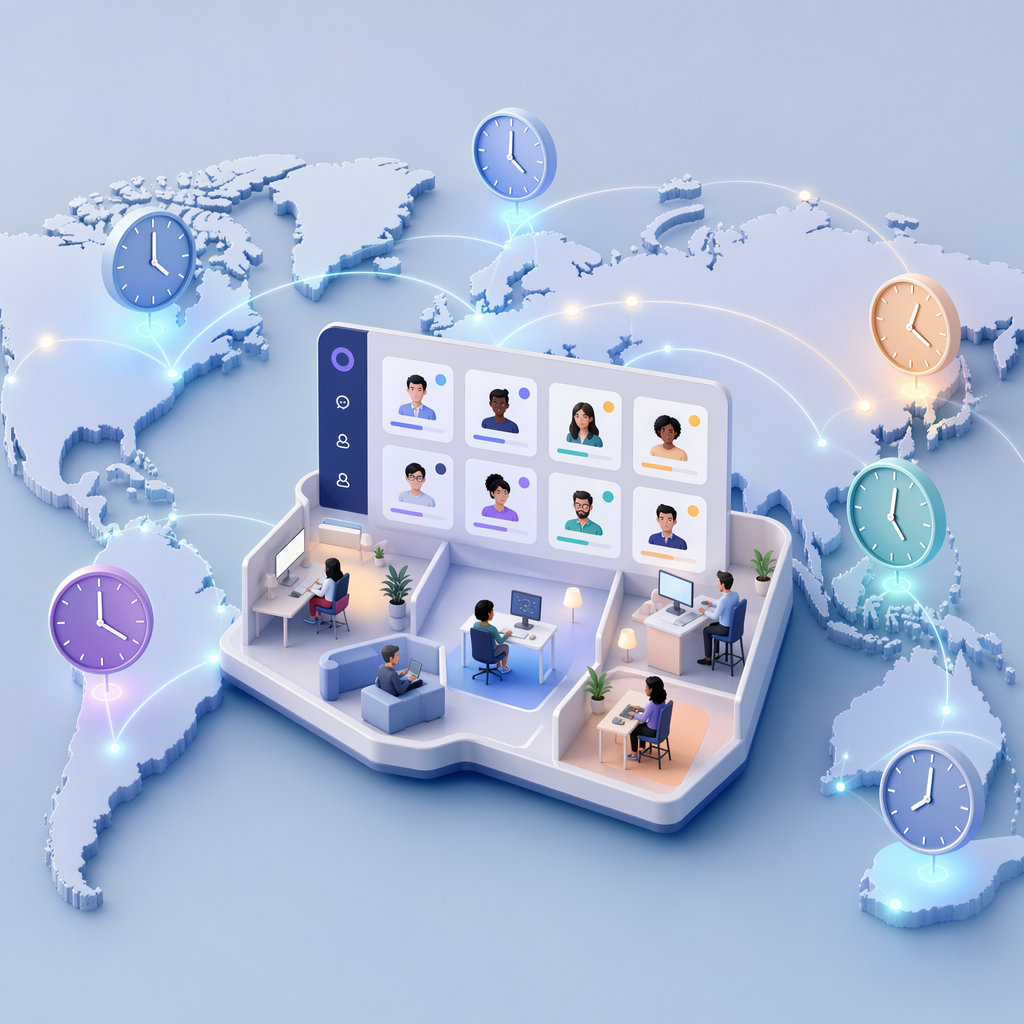
Effective time management in remote environments relies on the strategic use of work timers to balance deep focus with team availability. In 2026, distributed teams face the challenge of maintaining high output while avoiding the exhaustion caused by constant digital notifications. By implementing structured work timers, individuals can allocate specific blocks for complex tasks, ensuring that their most valuable cognitive resources are protected from frequent interruptions. This methodical approach to scheduling allows professional teams to synchronize their efforts without requiring constant manual updates.
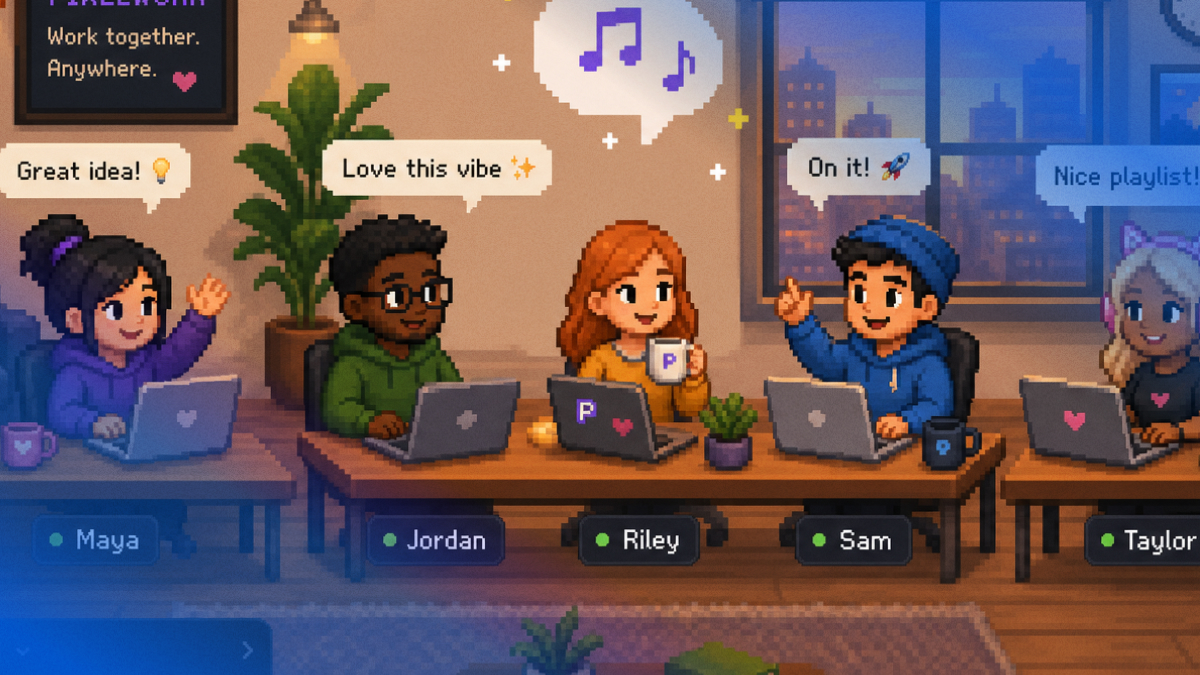
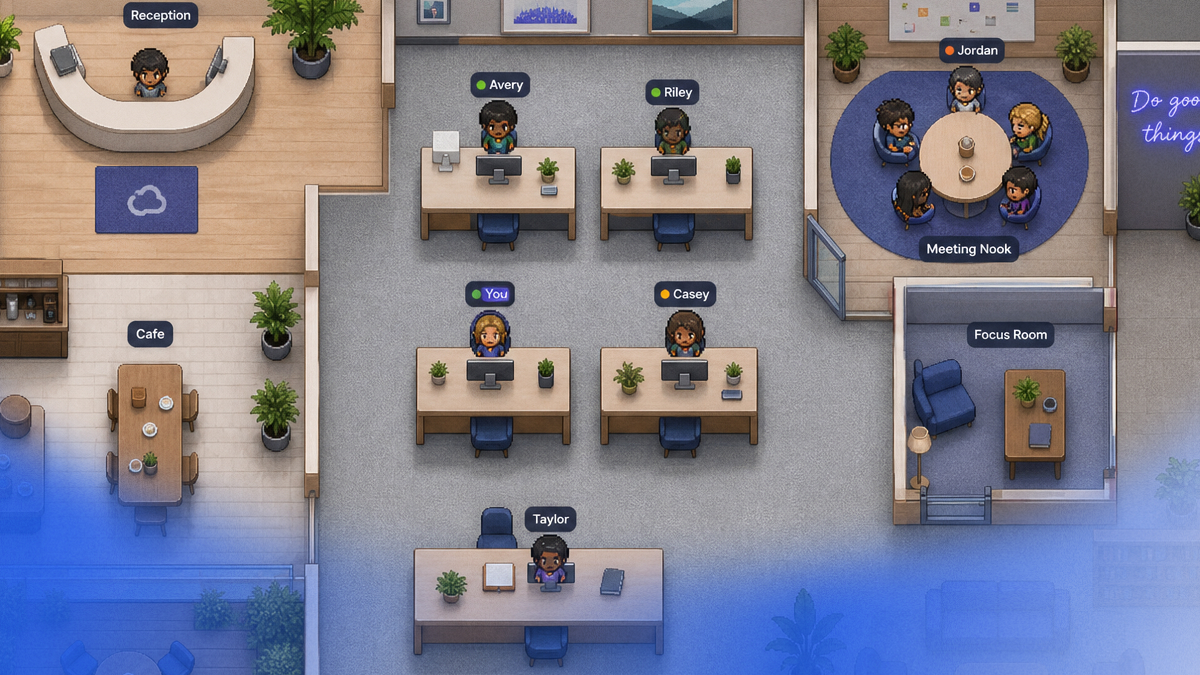
Modern workflows often integrate work timers directly into virtual office environments to provide transparency. When a team member activates one of these work timers, their status automatically updates to reflect their current engagement level. This system reduces the need for "Are you there?" messages, as the visual data provided by work timers informs colleagues whether someone is in a deep work session, taking a break, or available for a quick sync. For those looking to enhance this visibility, Hurbly.ai offers a sophisticated virtual office platform that mirrors physical presence through real-time status indicators.
How Work Timers Enhance Team Presence and Transparency
The primary function of work timers in a professional setting is to create a predictable rhythm for collaboration. Unlike traditional clocks, these specialized work timers are designed to signal intent and availability to the rest of the organization. When teams align their work timers, they create "windows of collaboration" where spontaneous interactions can occur safely, knowing that the time for focused execution has already been accounted for. This balance is essential for maintaining the fluid communication styles found in high-performing remote companies.
Using Hurbly.ai alongside consistent work timers helps replicate the organic flow of a physical workspace. In a traditional office, you can see if a colleague is wearing headphones or in a private booth; in a digital space, work timers serve as these non-verbal cues. By observing the progress of various work timers across a dashboard, managers and peers can make informed decisions about when to initiate a conversation. This reduces the friction of coordination and ensures that meetings only happen when truly necessary, rather than as a default response to a lack of information.
Practical Implementation of Work Timers for Remote Teams
To successfully integrate work timers into a daily routine, teams should follow a structured approach that prioritizes clarity and consistency. The following steps outline how to maximize the utility of these tools:
- Define Task Categories: Assign specific durations for different types of labor, such as 50-minute blocks for deep work and 15-minute blocks for administrative tasks.
- Synchronize Status: Ensure that your work timers are linked to your presence platform so your team knows not to disturb you during active countdowns.
- Audit Time Allocation: Review the data provided by your work timers at the end of each week to identify where time is being lost or where focus is most intense.
- Incorporate Rest: Use work timers to enforce mandatory breaks, preventing burnout and maintaining long-term cognitive performance.
| Feature | Benefit of Work Timers | Impact on Productivity |
|---|---|---|
| Visual Status | Real-time visibility of focus | Reduces interruptions by 40% |
| Structured Intervals | Better task management | Increases completion rates of complex goals |
| Data Tracking | Accurate reporting of hours | Improves future project estimation |
| Forced Breaks | Mental recovery periods | Sustains high energy levels throughout the day |
Why Real-Time Visibility Matters in 2026
In the current landscape of 2026, the reliance on scheduled video calls is decreasing in favor of more spontaneous, "as-needed" interactions. The use of work timers supports this shift by providing the necessary context for when those interactions should occur. When a platform like Hurbly.ai displays that a user's work timers have concluded, it signals a natural transition point where a colleague can jump in for a quick clarification. This immediacy mimics the "desk-side chat" and is far more efficient than waiting for a calendar invite.
Furthermore, work timers help mitigate the "always-on" culture that often plagues remote work. By clearly defining the start and end of professional activity through active work timers, employees can mentally disconnect once their sessions are complete. This clear boundary is vital for psychological well-being. As teams continue to evolve, the integration of work timers with presence-sensing technology will remain a cornerstone of effective, transparent, and healthy digital collaboration.