Understanding the Impact of Work-to-Rule on Remote Team Productivity

In this article

Understanding the Impact of Work-to-Rule on Remote Team Productivity
The concept of work-to-rule describes a situation where employees perform their tasks exactly as outlined in their contracts, refusing to take on additional duties or work beyond their specified hours. In 2026, as remote work remains a standard, understanding how work-to-rule affects team dynamics is essential for maintaining a healthy digital workspace. This behavior often emerges as a response to burnout or labor disputes, leading to a significant decrease in spontaneous collaboration and discretionary effort.
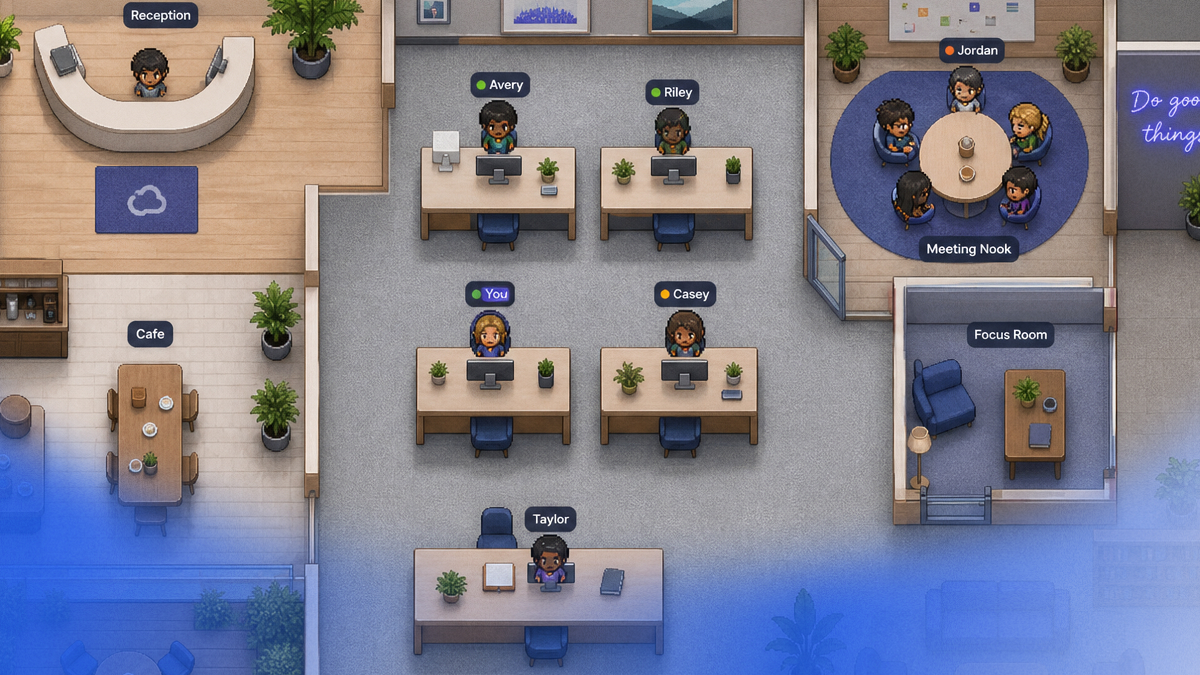
When a team adopts a work-to-rule approach, the lack of flexibility can hinder project timelines and creative problem-solving. Because employees strictly adhere to the letter of their job descriptions, the "extra mile" that often drives innovation disappears. To counter the isolation that sometimes triggers this mindset, platforms like Hurbly.ai provide virtual office environments that foster natural presence and engagement, helping teams stay connected even when following strict schedules.
How Work-to-Rule Functions in Modern Workplaces
Work-to-rule is not a total stoppage of work, but rather a meticulous adherence to rules to slow down overall productivity. In a digital environment, this might manifest as employees refusing to answer messages one minute after their shift ends or declining to participate in any meeting not explicitly listed in their initial contract. This systematic approach to work-to-rule can create bottlenecks in workflows that rely on quick, informal communication and peer-to-peer support.
The mechanics of work-to-rule involve several specific behaviors:
- Strict adherence to start and end times, regardless of project urgency.
- Refusal to use personal devices for work-related communication.
- Declining any tasks that fall outside a narrow interpretation of a job title.
- Elimination of voluntary social interactions or brainstorming sessions.
By implementing work-to-rule, employees demonstrate their importance to the organization by showing what happens when only the bare minimum is performed. This highlights the value of the "invisible labor" that usually keeps a company running smoothly.
Identifying the Causes of Work-to-Rule
Organizations often see a shift toward work-to-rule when there is a breakdown in communication or a perceived lack of fairness. If employees feel their time is not respected or that they are being asked to do more without proper compensation, they may use work-to-rule as a form of industrial action. It serves as a non-confrontational yet effective way to signal dissatisfaction with current management practices or workload distributions.
Common triggers for work-to-rule include:
- Stagnant wages that do not keep up with inflation or industry standards.
- Excessive "scope creep" where roles expand without formal recognition.
- A lack of transparency regarding company goals and employee contributions.
- Poor digital infrastructure that makes simple tasks feel burdensome.
To mitigate these issues, tools like Hurbly.ai help maintain transparency by showing real-time availability. When everyone can see who is focused or in a meeting, it reduces the friction that often leads to the frustration associated with work-to-rule tendencies.
Comparing Standard Performance and Work-to-Rule
The difference between a highly engaged team and one practicing work-to-rule is often found in the "gray areas" of a job description. The following table illustrates how these two states of operation differ in daily practice:
| Feature | Standard Performance | Work-to-Rule |
|---|---|---|
| Communication | Proactive and fluid across the team. | Limited strictly to formal channels. |
| Problem Solving | Collaborative and seeks creative solutions. | Follows existing protocols only. |
| Availability | Flexible within reasonable bounds. | Rigidly tied to contract hours. |
| Task Management | Prioritizes based on team needs. | Prioritizes based on contract text. |
| Innovation | High, through spontaneous interaction. | Low, as extra effort is withdrawn. |
As shown, work-to-rule fundamentally changes the output of a department. While the work technically continues, the velocity of that work drops significantly because the "grease" of voluntary cooperation is removed.
Strategies to Manage Work-to-Rule Environments
Managing a team during a work-to-rule period requires a shift from demanding extra effort to improving the efficiency of the hours already being worked. Leaders must focus on clear documentation and removing obstacles that make the "rule-following" process slower than necessary. Since work-to-rule highlights the limitations of a contract, it provides a unique opportunity for management to redefine roles and expectations more realistically.
Effective management strategies during work-to-rule phases include:
- Improving Visibility: Using Hurbly.ai to see who is available in real-time can prevent the "waiting game" that often slows down a work-to-rule environment.
- Clarifying Priorities: Since time is limited, managers must be extremely specific about which tasks take precedence.
- Open Dialogue: Addressing the underlying causes of work-to-rule through honest conversation rather than disciplinary threats.
- Streamlining Processes: Reducing the number of steps required to complete a task so that even a work-to-rule approach remains productive.
By focusing on the quality of the digital workspace, companies can often resolve the frustrations that lead to work-to-rule. Creating a sense of presence and belonging is vital for moving a team from a state of work-to-rule back into a state of motivated, voluntary collaboration.
The Long-Term Effects of Work-to-Rule on Culture
If work-to-rule persists for an extended period, it can permanently alter a company's culture. What began as a temporary protest can become the new "normal," where employees no longer feel a sense of ownership over their work. This cultural shift makes it difficult to recruit new talent and can lead to higher turnover rates as the most motivated employees seek environments where their extra efforts are valued and reciprocated.
Ultimately, work-to-rule is a symptom of a deeper organizational issue. Whether it is a lack of connection in a remote setting or a dispute over benefits, the move toward work-to-rule signals that the psychological contract between employer and employee has been strained. Utilizing modern presence tools like Hurbly.ai can help bridge the gap by making remote work feel more like a shared experience, potentially preventing the isolation that often fuels the decision to engage in work-to-rule.