Enhancing Team Connectivity Through Workplace Automation and Presence
In this article

Enhancing Team Connectivity Through Workplace Automation and Presence
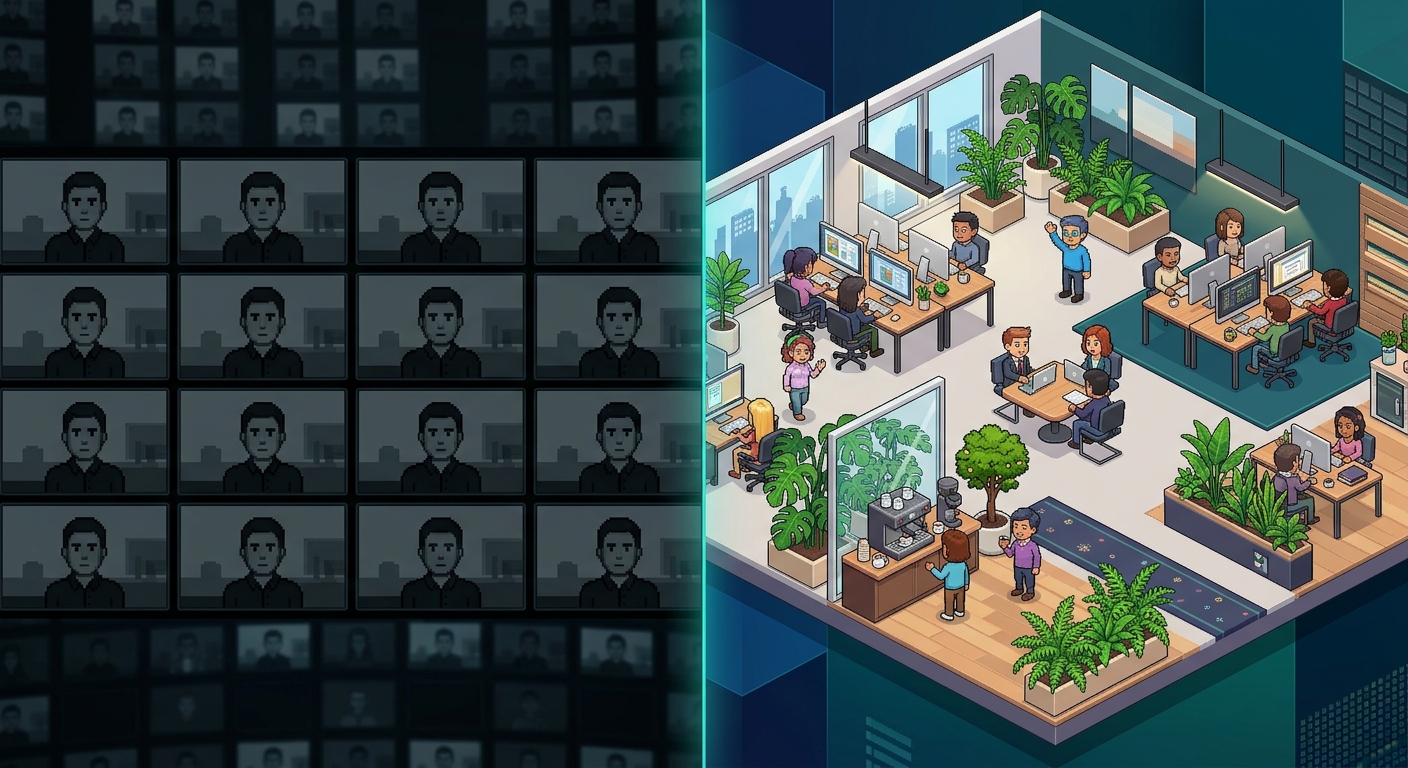
The modern professional landscape in 2026 relies heavily on distributed environments, making workplace automation essential for maintaining team cohesion. A virtual office platform like Hurbly.ai addresses the challenges of remote work by providing real-time visibility into team member availability. Instead of relying on static status updates that often become outdated, this technology uses workplace automation to reflect whether a colleague is currently focused, available for a quick chat, or engaged in a meeting.
This system functions by creating a digital representation of a physical workspace. When team members log in, the platform automatically updates their presence indicators. This form of workplace automation reduces the cognitive load on employees, as they no longer need to manually broadcast their availability. By seeing who is at their "desk" virtually, teams can recreate the spontaneous interactions that typically occur in a traditional office setting, fostering a more natural flow of communication.
The Role of Real-Time Visibility in Modern Workflows
Effective workplace automation is relevant because it eliminates the friction associated with scheduling short calls for simple questions. In many remote setups, a two-minute clarification requires a calendar invite or a long thread of messages. By utilizing Hurbly.ai, users can see a coworker's status and initiate an instant conversation. This immediate access is a direct result of workplace automation applied to presence tracking, ensuring that collaboration happens at the moment it is needed most.
Transparency is a core benefit of integrating workplace automation into daily operations. When everyone on a team can see the collective activity level, it builds trust and reduces the feeling of isolation. Managers and peers can observe the rhythm of the workday without intrusive micromanagement. This level of insight, powered by workplace automation, allows for better resource allocation and helps teams identify when a member might be overwhelmed or unavailable for urgent tasks.
Key Features of Automated Presence Platforms
To understand how workplace automation improves team dynamics, it is helpful to look at the specific functionalities provided by virtual office tools. These features are designed to simplify the user experience while maximizing information output for the rest of the team.
- Dynamic Status Indicators: Automatically shifts between "Available," "Deep Work," and "In a Meeting" based on user activity and integrated calendars.
- Instant Audio Zones: Allows users to jump into quick voice conversations without the need for generating meeting links.
- Visual Office Maps: Provides a spatial layout where avatars represent team members, making the digital environment feel more tangible.
- Focus Mode Protection: Uses workplace automation to signal when a user should not be interrupted, preserving productivity during complex tasks.
| Feature | Traditional Messaging | Hurbly.ai (Virtual Office) |
|---|---|---|
| Availability | Manual update required | Workplace automation driven |
| Interaction | Scheduled or asynchronous | Spontaneous and instant |
| Context | Low (Text only) | High (Visual presence) |
| Coordination | High friction | Low friction through workplace automation |
Implementing Workplace Automation for Distributed Teams
The process of adopting workplace automation for team presence involves a few logical steps to ensure maximum engagement and utility. First, the team integrates their existing communication tools with Hurbly.ai to centralize visibility. Second, the workplace automation settings are configured to match the team's specific working hours and privacy preferences. This ensures that the technology serves the employees rather than becoming a distraction.
Once the system is active, the team begins to experience the benefits of reduced "meeting fatigue." Because workplace automation facilitates quick syncs, the necessity for hour-long video conferences diminishes. This shift allows for more "deep work" blocks, as the team knows they can reach one another instantly if a critical issue arises. Ultimately, workplace automation creates a balanced environment where high-focus tasks and collaborative efforts coexist seamlessly.
Why Real-Time Interaction Matters in 2026
In the current year of 2026, the distinction between "remote" and "office" work has blurred, making workplace automation a standard requirement for competitive organizations. Companies use these tools to attract global talent while maintaining a local culture. By leveraging the workplace automation found in Hurbly.ai, organizations can ensure that geographical distance does not result in a loss of social capital or collaborative efficiency.
Furthermore, workplace automation supports mental well-being by clearly defining the boundaries of the digital office. When a user "leaves" the virtual space, the automation signals their departure to the rest of the team, helping to prevent after-hours pings. This structured yet flexible approach to presence is why workplace automation remains a cornerstone of successful distributed team management, providing the clarity and connectivity needed for modern professional success.

