Enhancing Team Collaboration Through Digital Workplace Connection
In this article

Enhancing Team Collaboration Through Digital Workplace Connection
In 2026, the landscape of remote work has evolved beyond simple video calls and messaging apps. A strong workplace connection is now the foundation of high-performing distributed teams. To achieve this, organizations are adopting tools that provide real-time visibility into employee availability. By understanding who is currently focused, who is in a meeting, and who is available for a quick chat, teams can reduce the friction often associated with digital communication. This transparency allows for a more natural flow of information, similar to the spontaneous interactions found in traditional physical offices.
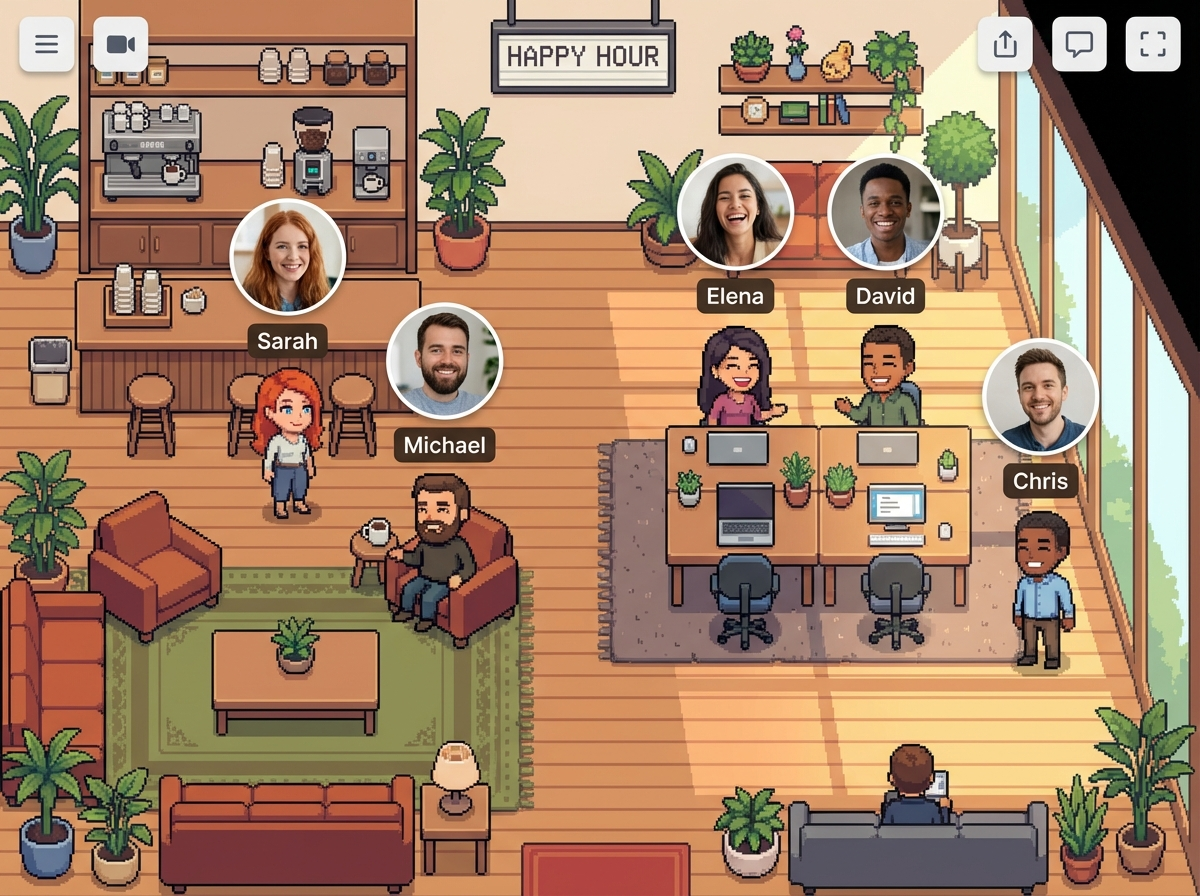
Building a consistent workplace connection requires more than just digital tools; it requires a shift in how teams perceive presence. Platforms like Hurbly.ai facilitate this by creating a virtual environment where presence indicators act as visual cues for engagement. When a colleague sees that a teammate is "available," they can initiate a conversation immediately, bypassing the need for formal scheduling. This immediacy is crucial for solving urgent problems and maintaining the momentum of ongoing projects without the fatigue of constant back-and-forth emails.
How Virtual Presence Drives Workplace Connection
The mechanics of a virtual office rely on real-time data to display the status of every team member. This system creates a continuous workplace connection by showing live updates on whether a user is active, away, or deeply focused on a task. These status updates are not merely for monitoring but serve as a social signal that informs others of the best time to interact. This structured visibility helps prevent interruptions during deep work periods while encouraging collaboration during open windows, effectively balancing individual productivity with collective needs.
A healthy workplace connection is sustained when team members feel seen and accessible despite geographical distances. By using a digital interface that replicates a shared floor plan or a team dashboard, employees can "see" their coworkers. This visual representation mitigates the isolation often felt in remote settings. When a workplace connection is established through these visual means, it fosters a sense of belonging and shared purpose, which are vital components of a positive corporate culture in 2026.
Benefits of Real-Time Interaction and Workplace Connection
Implementing a robust strategy for workplace connection offers several measurable advantages for modern organizations. By prioritizing spontaneous communication, teams can significantly reduce the time spent on administrative tasks such as calendar management.
| Benefit Category | Impact on Team Dynamics |
|---|---|
| Communication Speed | Instant access to colleagues reduces wait times for feedback. |
| Reduced Meeting Fatigue | Quick "drive-by" digital chats replace lengthy, scheduled video sessions. |
| Enhanced Transparency | Real-time status updates eliminate guesswork regarding availability. |
| Improved Culture | A constant workplace connection builds trust and reduces remote isolation. |
The relevance of a workplace connection lies in its ability to streamline workflows. When team members can interact without the barrier of a meeting link, the speed of decision-making increases. Furthermore, a strong workplace connection ensures that remote employees remain aligned with the company's goals and values, as they are constantly integrated into the daily rhythm of the digital office.
Strategies to Strengthen Your Workplace Connection
To maximize the effectiveness of a distributed team, leaders must implement specific strategies that prioritize workplace connection. These steps ensure that the digital environment remains productive and inclusive for everyone involved:
- Adopt Real-Time Presence Tools: Utilize platforms like Hurbly.ai to provide a visual map of the team's current activity levels.
- Define Status Protocols: Establish clear guidelines on what different status indicators mean to ensure a consistent workplace connection experience.
- Encourage Spontaneous Syncs: Move away from the "calendar-first" mentality and promote quick, unscheduled check-ins when a teammate is marked as available.
- Monitor Engagement Levels: Use the data provided by presence platforms to identify teams that may be experiencing a breakdown in their workplace connection.
- Foster Social Interaction: Create digital spaces where the workplace connection can be used for non-work-related "water cooler" conversations to build rapport.
By following these steps, organizations can create a seamless workplace connection that transcends physical boundaries. This approach ensures that every team member, whether they are a freelancer or a full-time employee, stays synchronized with the rest of the group.
Why Workplace Connection is Essential for Distributed Teams
As we navigate the professional environment of 2026, the concept of a workplace connection has become the primary differentiator between successful and struggling remote teams. Without a reliable way to gauge presence, communication becomes fragmented and reactive. A proactive workplace connection allows for proactive collaboration, where team members can anticipate needs and offer support before a bottleneck occurs. This level of coordination is only possible when the team utilizes a centralized platform designed for visibility.
Finally, a well-maintained workplace connection supports mental well-being by providing clear boundaries. When a user sets their status to "focused" or "do not disturb," the technology reinforces their need for privacy, while the overall workplace connection ensures they are not forgotten. This balance of accessibility and autonomy is the hallmark of a mature digital workspace, enabling teams to thrive in an increasingly complex and distributed global economy. Through tools like Hurbly.ai, maintaining this workplace connection becomes a natural part of the daily routine.

