Understanding and Mitigating Zoom Fatigue in Remote Work Environments

In this article

Understanding and Mitigating Zoom Fatigue in Remote Work Environments
The phenomenon known as Zoom fatigue refers to the mental and physical exhaustion caused by the excessive use of virtual communication platforms. In 2026, as distributed work remains the standard for global organizations, understanding the mechanics of this fatigue is essential for maintaining team productivity. Unlike face-to-step interactions, video conferencing requires significantly more cognitive effort to process non-verbal cues like facial expressions, tone of voice, and body language. When these cues are delayed or distorted by technology, the brain works harder to interpret the conversation, leading to rapid energy depletion.
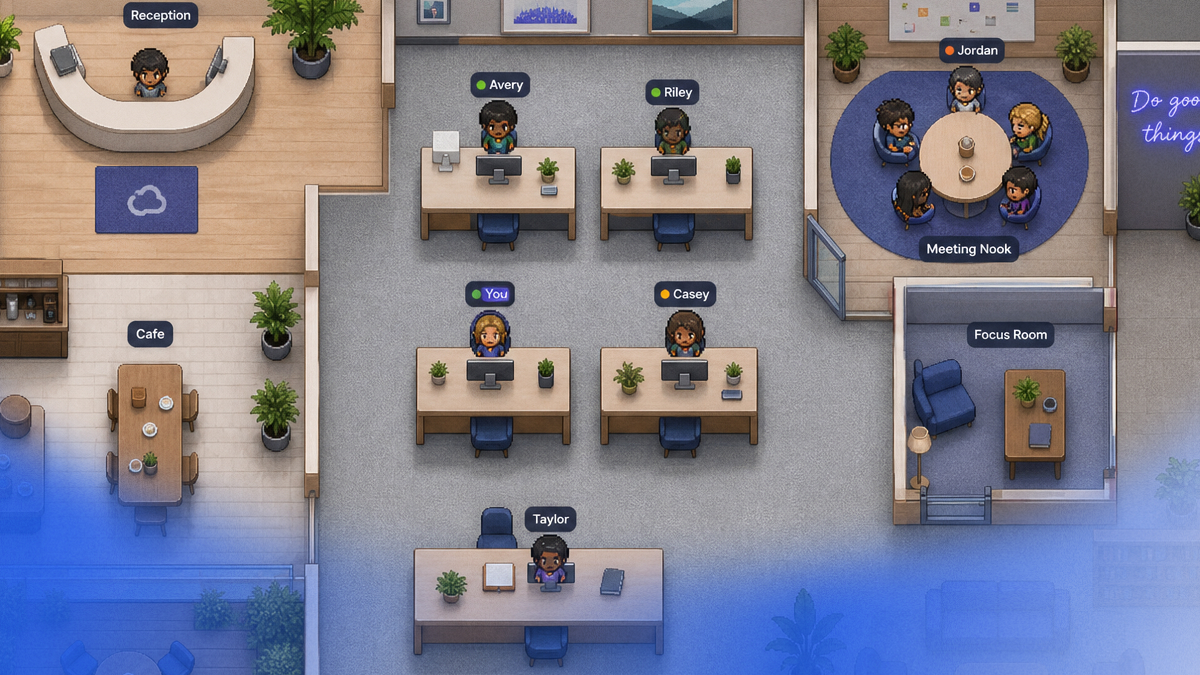
To combat Zoom fatigue, teams are shifting toward tools that prioritize presence over constant video streaming. Platforms like Hurbly.ai address this by providing real-time visibility into coworker availability. Instead of jumping into a high-intensity video call for every query, users can see who is focused, available, or already in a meeting. This transparency reduces the psychological pressure of being "always on camera," which is a primary driver of Zoom fatigue in modern remote settings.
The Psychological Impact of Constant Video Monitoring
One of the leading causes of Zoom fatigue is the "all-day mirror" effect. During traditional meetings, participants do not see their own faces while speaking. However, in virtual environments, users are constantly confronted with their own reflection, leading to heightened self-consciousness. This continuous self-evaluation is mentally draining and contributes heavily to the overall feeling of Zoom fatigue. When employees feel they are being watched by everyone at all times, their stress levels rise, making even short meetings feel burdensome.
Furthermore, the lack of physical movement during back-to-back video sessions exacerbates Zoom fatigue. In a physical office, people move between meeting rooms, providing a natural mental reset. In a digital workspace, the transition is often just a click, offering no time for the brain to switch contexts. By using Hurbly.ai, teams can foster spontaneous, shorter interactions that do not require full video engagement, effectively lowering the cumulative impact of Zoom fatigue throughout the workday.
Strategies to Reduce Virtual Exhaustion
Managing Zoom fatigue requires a combination of cultural shifts and the adoption of better communication technology. Organizations that successfully minimize Zoom fatigue often implement "no-video" days or encourage the use of audio-only communication for internal check-ins. This reduces the cognitive load associated with maintaining eye contact through a lens.
| Strategy | Impact on Zoom fatigue | Implementation Method |
|---|---|---|
| Asynchronous Updates | High Reduction | Use shared documents or status indicators instead of meetings. |
| Presence Awareness | Medium Reduction | Use Hurbly.ai to see if a quick chat is better than a call. |
| Scheduled Breaks | High Reduction | Enforce 10-minute gaps between all virtual appointments. |
| Speaker-Only View | Low Reduction | Hide the "self-view" to reduce self-consciousness during calls. |
By diversifying communication methods, companies can prevent Zoom fatigue from becoming a systemic issue. Relying on real-time presence indicators allows for "drive-by" conversations similar to those in a physical office, which are often less taxing than a formal, scheduled video conference.
How Presence Technology Replaces Excessive Video Calls
The core mission of Hurbly.ai is to replicate the organic feel of a physical office without the drawbacks that lead to Zoom fatigue. When you can see that a colleague is "in the zone" or "grabbing coffee" through a simple status indicator, the need for a "quick sync" video call disappears. This visibility helps in managing expectations and reduces the frequency of interruptions that typically lead to a reliance on video, thus lowering the risk of Zoom fatigue.
- Real-time Status: Users see exactly who is available, reducing the anxiety of reaching out.
- Instant Conversations: Facilitates quick audio or text interactions that bypass the need for a full video setup.
- Focused Modes: Allows team members to signal they are busy, preventing the meeting bloat that causes Zoom fatigue.
- Spatial Awareness: Creates a digital map of the team, making remote work feel less isolating and more connected.
Eliminating unnecessary video interactions is the most direct way to solve Zoom fatigue. As we move further into 2026, the integration of presence-based tools like Hurbly.ai is proving to be more effective for long-term mental health than simply reducing the number of meetings. By focusing on how we connect rather than just how often we connect, teams can maintain high levels of collaboration while completely avoiding the symptoms of Zoom fatigue.
Best Practices for Digital Collaboration in 2026
To maintain a healthy digital culture, it is vital to recognize the early signs of Zoom fatigue, such as irritability, eye strain, and a lack of motivation following virtual sessions. Leaders should encourage their teams to use the most "low-bandwidth" communication tool necessary for the task. If a question can be answered via a status update on Hurbly.ai or a quick text message, it should not be a video call. This hierarchy of communication is the best defense against Zoom fatigue.
Finally, fostering an environment where "camera-off" is the default for large presentations can significantly lower the collective Zoom fatigue of a department. When only the speaker is on camera, the audience can focus on the information without the social pressure of being observed. Combining these behavioral changes with the right presence technology ensures that remote work remains sustainable, productive, and free from the draining effects of Zoom fatigue.