The Evolution and Impact of Zoom Memes in Modern Remote Work
In this article

The Evolution and Impact of Zoom Memes in Modern Remote Work
Remote work culture has undergone a significant transformation since the early 2020s, leading to a unique digital language. A primary driver of this cultural shift has been the rise of Zoom memes, which capture the shared experiences, technical glitches, and social awkwardness of virtual meetings. These digital artifacts serve more than just a comedic purpose; they act as a social glue for distributed teams. By highlighting common frustrations—such as speaking while muted or dealing with unexpected background interruptions—Zoom memes help employees feel connected through shared challenges.
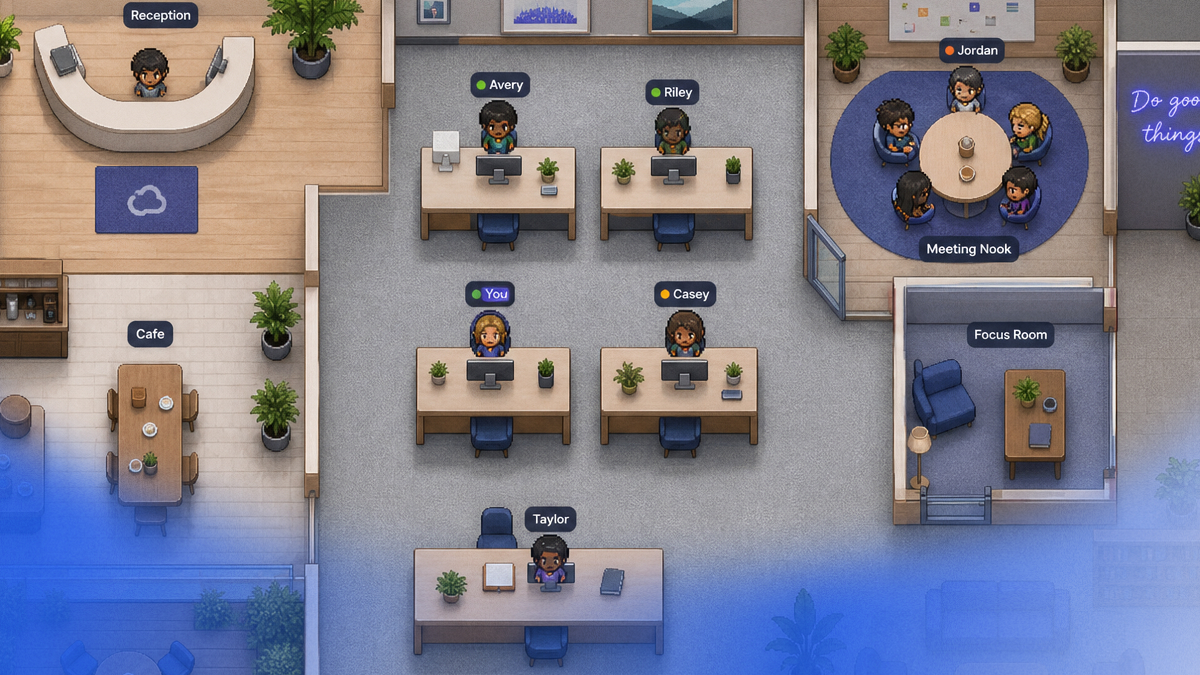
Understanding the context of Zoom memes is essential for any modern organization. These images and short videos often reflect the psychological state of a workforce. For instance, Zoom memes about "meeting fatigue" sparked global conversations about the necessity of constant video presence. This awareness has led many companies to seek more fluid ways of working, such as those offered by Hurbly.ai, which focuses on real-time presence rather than exhausting, scheduled video calls.
How Zoom Memes Improve Team Communication and Morale
Humor is a powerful tool for building psychological safety within a team. When coworkers share Zoom memes, they are often signaling a common understanding of the limitations of traditional video conferencing. This shared humor can break the ice during stressful projects or bridge the gap between different time zones. Because Zoom memes are easily shareable across messaging platforms, they provide a quick way to inject personality into a digital workspace that might otherwise feel clinical or overly formal.
In 2026, the way we interpret Zoom memes has evolved. They are no longer just about funny faces caught on camera; they have become a critique of rigid corporate structures. Teams that embrace Zoom memes often foster a more transparent culture where people feel comfortable being their authentic selves. To support this authenticity without the pressure of a camera, platforms like Hurbly.ai allow teams to see who is focused or available in real-time, reducing the need for the very meetings that inspired so many Zoom memes in the first place.
Categorizing Common Themes in Remote Work Humor
The landscape of Zoom memes can be divided into several distinct categories based on the specific "pain points" they address. By analyzing these categories, managers can better understand where their team's communication friction lies.
- Technical Failures: This category includes Zoom memes about frozen screens, "can you hear me" loops, and internet lag.
- Professional vs. Private Life: These Zoom memes highlight the chaos of pets, children, or laundry appearing in the background of professional calls.
- The "Mute" Phenomenon: Perhaps the most prolific category, these Zoom memes focus on the accidental "hot mic" or the struggle of talking for minutes while muted.
- Meeting Overload: These images depict the physical and mental exhaustion resulting from back-to-back virtual appointments.
| Meme Category | Core Theme | Impact on Remote Culture |
|---|---|---|
| Technical Glitches | Frustration with tools | Normalizes technical difficulties |
| Background Intrusions | Humanization of work | Blurs the line between home and office |
| Camera Fatigue | Mental exhaustion | Encourages "camera-off" policies |
| Mute Mishaps | Communication errors | Highlights the clunkiness of video UI |
The prevalence of Zoom memes regarding meeting fatigue suggests a need for more spontaneous, less intrusive tools. Hurbly.ai addresses this by providing a virtual office environment where presence is visible, making the constant scheduling depicted in Zoom memes unnecessary.
Moving Beyond the Screen with Real-Time Presence
While Zoom memes provide a necessary outlet for the frustrations of remote work, the ultimate goal for many teams is to reduce the friction that causes those frustrations. The humor found in Zoom memes often stems from the artificial nature of scheduled video calls. In a physical office, you don't "schedule" a 30-minute block to ask a colleague a ten-second question; you simply see if they are at their desk and available.
By utilizing Hurbly.ai, teams can move past the limitations highlighted by Zoom memes. The platform uses real-time technology to display whether a team member is currently focused, in a meeting, or open for a quick chat. This visibility replicates the organic flow of a physical office. When you can see your team's status, you no longer need to rely on the clunky interactions that defined the era of Zoom memes, leading to a more efficient and less stressful workday.
The Future of Digital Interaction in 2026
As we look at the state of remote work in 2026, the influence of Zoom memes remains visible in how we design digital tools. Developers now prioritize "low-friction" communication to avoid the awkwardness often parodied in Zoom memes. The shift is moving away from "events" (scheduled calls) toward "presence" (continuous awareness). This evolution ensures that while Zoom memes will always be a part of internet history, the daily reality for workers is becoming much smoother.
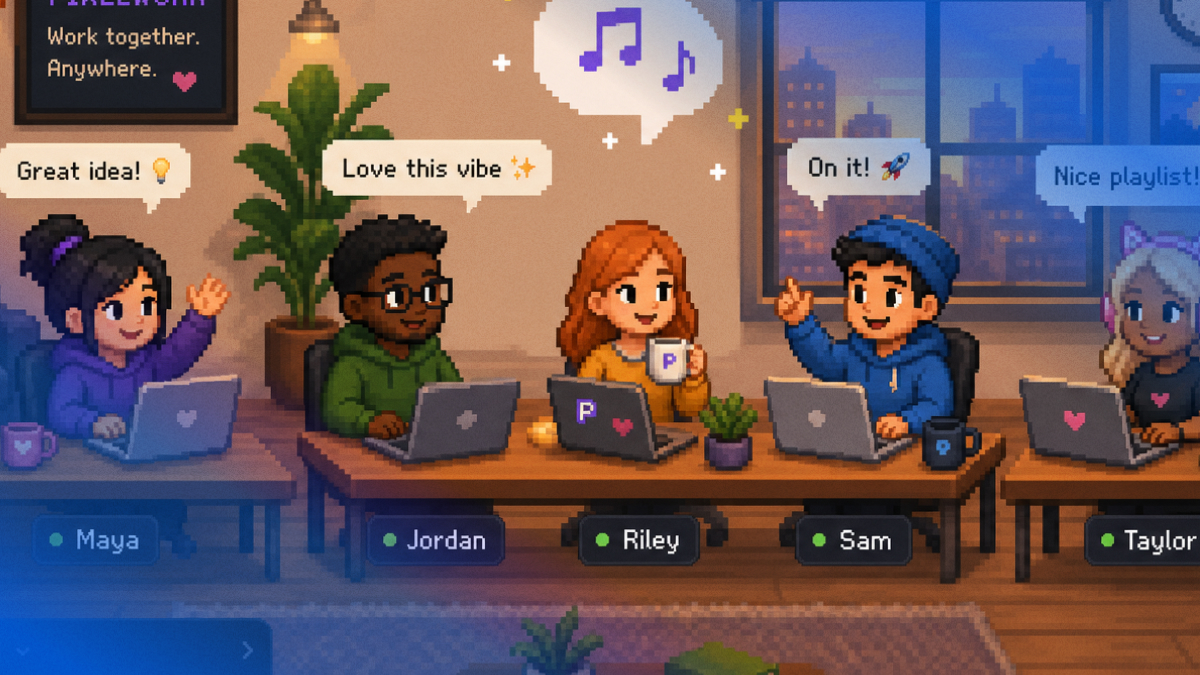
Integrating a sense of presence through Hurbly.ai helps eliminate the "ghost town" feeling of remote work. Instead of waiting for the next scheduled meeting to see a face—and potentially becoming the subject of the next batch of Zoom memes—users can interact naturally. This approach supports freelancers, distributed teams, and large organizations in maintaining a cohesive culture that values both productivity and the human element of work.